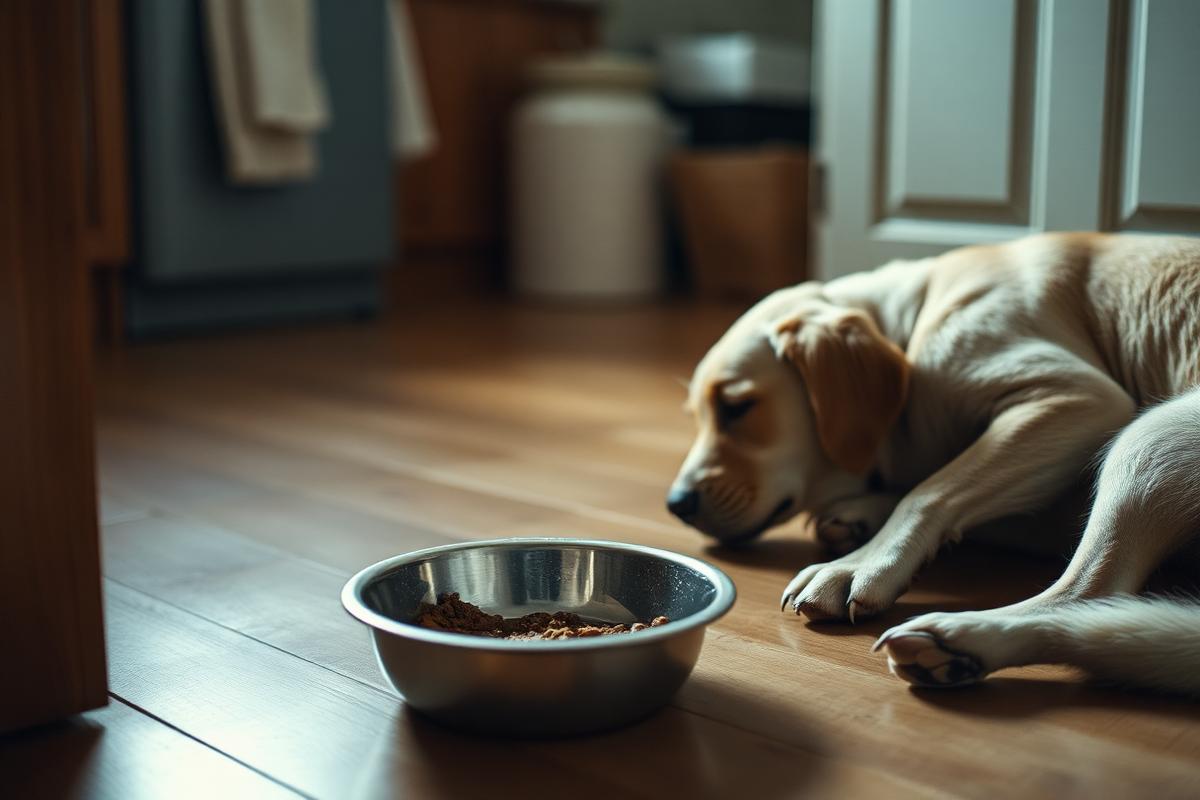
Appetite changes in older pets are common and are worth taking seriously rather than waiting out. A pet who wants food but cannot manage it is telling you something different from one who has lost interest entirely. Mouth discomfort, nausea, a fading sense of smell and reduced mobility are all frequent contributors.
Families in Maple Ridge often describe weeks of quiet negotiation before they mention it to anyone. New food, warmed food, hand feeding, a rotation of increasingly expensive tins. By the time it comes up in conversation, the pet has usually been eating poorly for a month.
The Distinction That Matters Most
Before anything else, work out which of these you are watching, because they point in different directions.
Wants it but cannot manage it. They come to the bowl, show interest, start, then stop. They may drop food, chew on one side, tilt their head, or paw at their mouth. They eat soft things and leave hard ones. This pattern often points toward the mouth.
Does not want it at all. They look at the bowl and walk away, or turn their head from a treat they have never refused in their life. They may lick their lips, swallow repeatedly, drool, or eat grass. This pattern more often points toward feeling unwell or nauseous.
Cannot get to it comfortably. They eat if the bowl is raised or brought to them, but not if it means a journey, or standing with their head low for several minutes.
Telling a veterinarian which of the three you are seeing is far more useful than reporting that your pet is being fussy.
Why Appetite Changes With Age
Smell drives appetite in dogs and cats far more than taste does, and a fading nose makes familiar food far less interesting. This is why warming food often works when changing food does not.
Mouth discomfort is extremely common in older animals and very easily missed, because most of us never look. A sore mouth makes eating a chore rather than a pleasure.
Feeling unwell suppresses appetite in animals just as it does in people, and there are many possible reasons for that in an older pet. Reduced activity lowers what they need, so some genuine reduction is normal. Some medications affect appetite too, which is worth raising if anything has recently started or changed.
Habit plays a part as well. A pet who has been hand fed chicken for a fortnight learns quite quickly that holding out improves the menu.
What Actually Helps at Mealtimes
Warm the food gently. Slightly warm, never hot, and stir it through so there are no hot spots. This lifts the smell and is the single most effective change most families make.
Offer smaller meals more often. Four small offerings usually beat two large ones. A big bowl can be discouraging on its own.
Raise the bowl. For a stiff older animal, not having to reach down to the floor makes a real difference.
Fix the location. Somewhere quiet, on non-slip footing, away from other pets. A cat in particular will not eat where they feel exposed or crowded.
Try softer textures. Wet food, or dry food soaked until it softens, if chewing looks like the problem.
Hand feed a little to start them off. Often a few pieces by hand is enough to get an animal going, and then they carry on from the bowl.
Keep it calm. Standing over the bowl willing them to eat is easily read as pressure. Put it down, step away, and come back.
Take uneaten food away after twenty minutes. Food that sits out all day goes stale, smells less, and stops feeling like a meal.
What to Be Careful About
Ask your veterinarian before changing diet if your pet has a condition that restricts what they can eat. Some of the obvious tempting foods are exactly the wrong ones in those cases.
Change food gradually where you can, because an abrupt switch often causes an upset stomach that makes the whole situation worse.
Never force food or water into an animal who is turning away. It causes distress and can be dangerous if it goes the wrong way.
Do not fall into an endless cycle of new foods. Beyond a couple of attempts, repeated switching teaches the animal to wait for the next option, and it also delays finding out why they stopped eating in the first place.
Keep away from foods that are harmful to pets even when you are desperate to tempt them, and check with your veterinary team rather than assuming a human food is safe.
When to Stop Waiting
This is the part families most often get wrong, usually by giving it one more week.
In a cat this is genuinely urgent. Even a couple of days of poor intake can set off further problems, so a cat who is eating badly for more than a day or two should be seen rather than watched. It is not something to work through at home.
For a dog, a day of disinterest with everything else normal is usually less alarming, but more than two days, or any refusal alongside other changes, warrants a call.
Contact a veterinarian promptly, whatever the species, if there is weight loss you can feel over the spine and hips, repeated vomiting, drooling or pawing at the mouth, a noticeable change in drinking, lethargy, or a pet who wants food but visibly cannot eat it. Weight loss alongside a good appetite is its own specific pattern and should be examined rather than watched.
Bring specifics to the appointment. What they have eaten and refused, for how long, which of the three patterns above it matches, and a photograph from above and from the side, since photos catch weight change that daily familiarity hides.
Frequently Asked Questions
My old dog is just fussy. Is that a thing? Genuine fussiness exists, but it is diagnosed after other causes are ruled out, not before. A previously reliable eater who becomes fussy has usually changed for a reason.
How long can a cat safely go without eating? Not long. More than a day or two of poor eating in a cat needs veterinary attention rather than waiting.
Is it fine to feed chicken and rice long term? As a short-term tempter it is common, but it is not balanced for the long run. Ask your veterinarian before it becomes the everyday diet.
Should I try an appetite stimulant? Only if your veterinarian prescribes one. Nothing for appetite should come from a cupboard or a shop shelf without advice.
He eats treats but not dinner. What does that mean? Often that eating is uncomfortable or that dinner does not smell like much any more, since treats are small, strong-smelling and easy. It is a useful detail to report.
Published by the team at Home Euthanasia Veterinary Services.
This article is provided for general information and is not a substitute for veterinary advice about your own pet. If your pet is in distress or you are worried about their comfort right now, please contact your regular veterinarian or your nearest emergency animal hospital.