Quality of Life Consultation
Quality of Life Consultation for Pets in Abbotsford
A quality of life consultation exists to answer a question rather than to reach a conclusion. Families in Abbotsford often get in touch long before they are ready to decide anything, wanting someone to look at their dog or cat and say honestly what they see. Dr. Maan comes to your home, examines your pet, and talks it through with you. Nothing is arranged on the strength of that conversation unless you ask for it.
In Short
A quality of life consultation is a veterinary appointment focused on how comfortable a pet is from day to day. The veterinarian examines the animal, reviews recent changes in eating, mobility, and behaviour, and discusses the options that remain open. It is a conversation about where things stand, and it commits a family to nothing.
What a Quality of Life Consultation Covers in Abbotsford
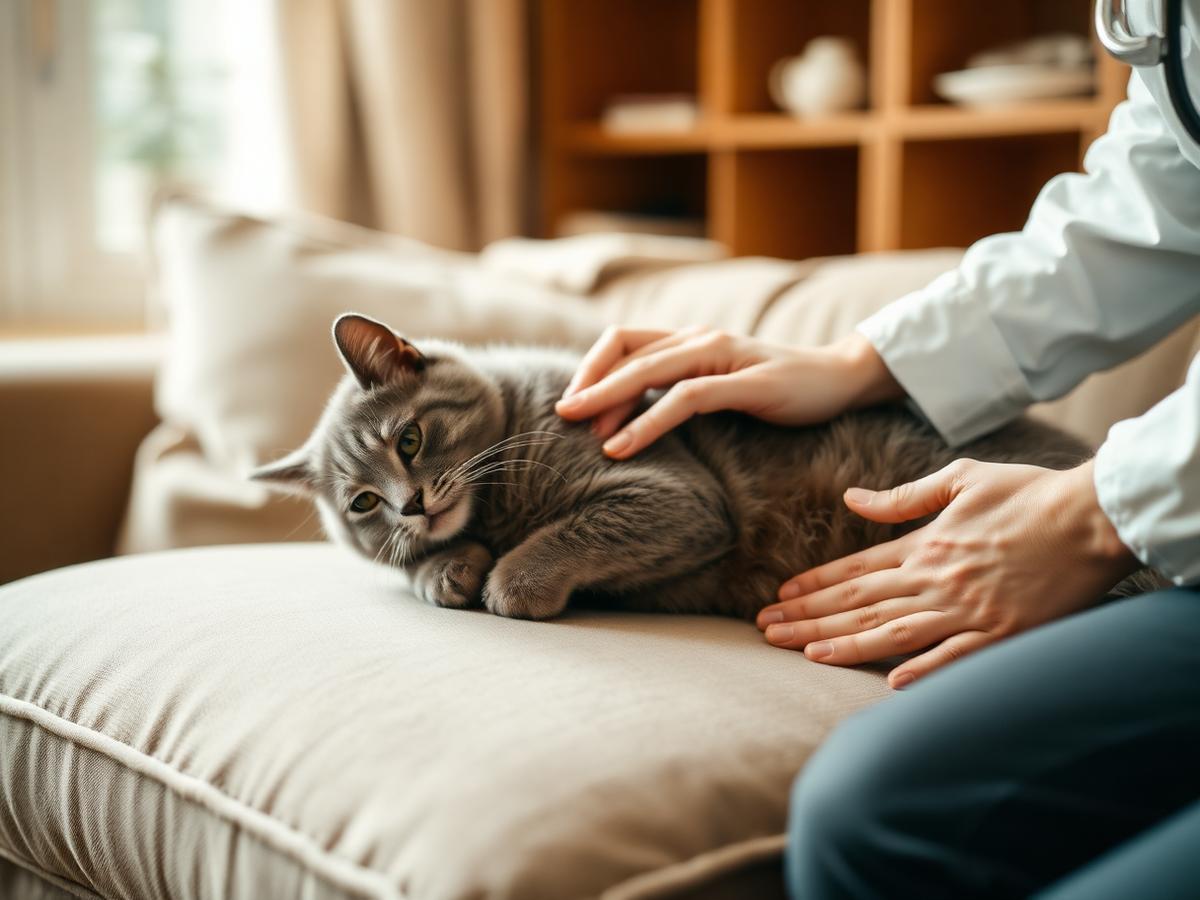
The visit starts with a physical examination. Dr. Maan checks the things that are hard to judge from inside a household that sees a pet every day: body condition, breathing, joints and gait, hydration, and any source of pain that may not be obvious.
Then come the questions only you can answer. Is your pet still eating, and does food still interest them? Can they get up, get outside, and manage stairs or a litter box without distress? Are they able to stay clean, or is that becoming difficult? Do they still take pleasure in anything at all? And across an ordinary week, are there more good days than hard ones? Those answers, set beside the examination, are what a quality of life assessment actually is.
Understanding the Alternatives to Euthanasia
No conversation about a pet's quality of life is complete without the options that are not euthanasia, and Dr. Maan will raise them himself rather than wait to be asked.
Often the most useful of those is comfort. Pain that has been under-recognised for months can frequently be eased, and an animal who is more comfortable may have real time left. Changes to footing, feeding, bedding, and daily routine can do more than families expect. Where a pet's difficulty is behavioural rather than physical, behavioural support may be the right avenue. And where the situation is not an illness at all, but a change in a family's circumstances, rehoming through a rescue or a shelter may be worth exploring before anything else. Whether any of these apply depends entirely on your pet, which is the reason the examination comes first.
When You Are Not Sure Yet
Uncertainty is the ordinary state of families at this stage, not a failure to decide. Most people who get in touch are somewhere between knowing and not knowing, and they are looking for a straight answer from someone who has seen this many times.
A conversation never commits you to anything. If the examination suggests your pet still has comfortable time ahead, that is what you will be told, and the visit ends there. If it suggests otherwise, you are still free to take that away and sit with it. There is no schedule you are working against, and nothing about in-home pet euthanasia follows automatically from this step.
If Your Pet Has a Regular Veterinarian
Speak with them too. A veterinarian who has known your dog or cat for years holds the history that gives everything else its meaning: what the bloodwork looked like eighteen months ago, how the illness has moved, what has already been tried. That is context no single visit can replace, and it belongs in the decision.
Separately, if your pet is in acute distress as you read this, a planned consultation is not what you need. Appointments here are arranged in advance. Please contact a veterinary hospital that is open and can see your pet without delay.
Common Questions
There is rarely a single moment. Most families notice a pattern instead: less interest in food, more difficulty getting up, withdrawal from company, and more hard days than easy ones across a week. A veterinary examination puts those observations beside what can be measured.
No. It is an assessment and a conversation. Nothing is arranged unless you ask for it, and a consultation that ends with a plan to keep your pet comfortable is a perfectly ordinary outcome.
That is a legitimate result and it happens. You are free to take the conversation away and get in touch again later, or not at all.
Yes. Many families start with a text or an email describing what they have been seeing. Dr. Maan replies personally.
Ask for a quality of life consultation by texting (778) 683-0770 or emailing hevs2025@gmail.com. Describe what you have been noticing in your dog or cat, and where in the Fraser Valley you live. A conversation commits you to nothing.
That number receives text messages only. Visits are by appointment.